
Orbital
Samantha Harvey's Booker Prize-winning novel tracks six astronauts aboard the International Space Station over a single day, turning 16 orbits of Earth into a meditation on beauty, fragility, and what it means to see our world from above.
“Winner of the 2024 Booker Prize for good reason, Orbital is unlike anything else you will read this year. It is short, luminous, and genuinely perspective-altering. If you have ever looked up at the night sky and felt something you could not name, this book names it.”
Orbital is a novel that should not work. Its setup is almost perversely undramatic: six astronauts and cosmonauts aboard the International Space Station go about their routines over the course of a single day, during which Earth completes sixteen rotations beneath them. There is no crisis, no sabotage, no interpersonal explosion. And yet Samantha Harvey has written one of the most quietly astonishing novels in recent memory, a book that reshapes your sense of scale and leaves you altered.
Harvey's prose is the engine of this transformation. Writing in a close third person that floats between her characters' consciousnesses with the weightlessness of the environment she describes, she captures the vertiginous shift in perspective that astronauts call the "overview effect" and translates it into literary form. Each orbit brings a new view of Earth's surface, and Harvey uses these passages to weave together the personal histories of her characters with the geological, ecological, and political stories written on the planet below.
The result is a novel that functions almost like a prayer: for the Earth, for the fragile web of cooperation that keeps the ISS running, for the human capacity to be awed. In an era of climate anxiety and political fragmentation, Orbital offers something rare, not escapism but a genuine shift in vantage point. It asks you to see your life from 250 miles up, and the view is both terrifying and beautiful.
Keep Reading
More in Books
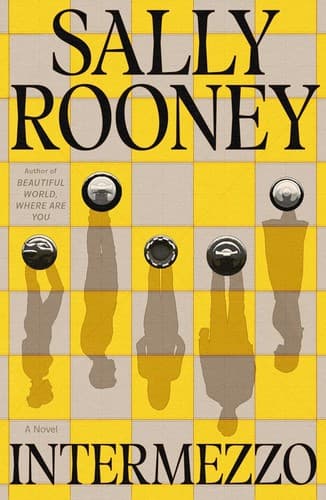
Intermezzo
Sally Rooney's fourth novel follows two grieving brothers whose romantic entanglements force them to confront what they owe each other and what it means to be truly known by another person.

James
Percival Everett reimagines Mark Twain's Adventures of Huckleberry Finn from the perspective of Jim, the enslaved man whose intelligence, dignity, and interiority the original novel could never fully see.
Get Our Weekly Picks
The best in film, television, and literature - curated and delivered every Friday. No spam, no algorithms, just taste.
Free forever. No spam. Unsubscribe anytime.